

At Beauty Way, we believe that beauty is more than aesthetics. Beauty is a way of being.
It is found in the materials we choose, the makers we support, the way a room holds our daily rituals, and the feeling that lingers when we walk through the door. Interior design, when practiced with care, can become more than decoration. It can become an act of reverence.
Designing in Reverence is the philosophy at the heart of Beauty Way Interiors. It is a slower, more intentional approach to creating spaces — one rooted in sustainability, beauty, wellbeing, and respect for the natural world.
In a culture that often encourages fast consumption and trend-driven design, this approach asks us to pause. It invites us to consider where our furniture comes from, who made it, what materials were used, how long it will last, and how it makes us feel in our bodies and homes.
This is not about perfection. It is not about creating a flawless, untouchable space. It is about creating interiors that feel alive, meaningful, and deeply supportive.
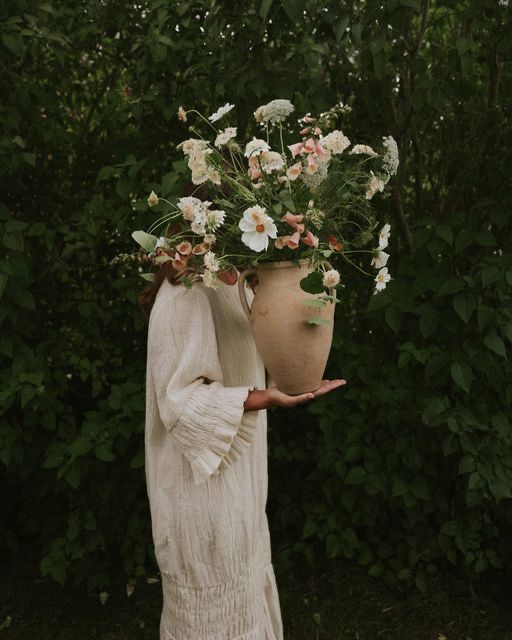
What Does It Mean to Design in Reverence?
To design in reverence is to approach the home as something sacred.
Not sacred in a distant or overly precious way, but sacred because our homes shape our lives. They hold our meals, our rest, our creativity, our grief, our relationships, our healing, and our becoming.
A reverent design process considers more than what looks good in a photograph. It asks deeper questions:
How does this space support the people who live here?
What materials are we bringing into the home?
Can we choose vintage, handmade, natural, or locally sourced pieces when possible?
How can we create beauty without contributing to unnecessary waste?
How can a room feel both elevated and grounded?
This is where sustainable interior design and soulful interior design meet. It is a practice of honoring beauty, function, earth, and spirit at the same time.
Moving Beyond Fast Design
Much of the modern interiors industry has been shaped by speed: fast furniture, fast trends, fast makeovers, and constant replacement.
But a beautiful home does not need to be built from excess.
In fact, some of the most meaningful spaces are created slowly. They include vintage finds, artisan-made pieces, natural textures, heirlooms, collected objects, and materials that age with grace.
Designing in reverence invites us to move away from disposable design and toward more conscious home design. This might mean choosing a vintage wood table instead of a mass-produced one, investing in natural fibers, working with local makers, repurposing what already exists, or simply buying less — but buying with more intention.
A sustainable interior does not have to feel sterile or limited. It can be warm, layered, luxurious, artistic, and deeply personal.
Beauty as a Relationship
At Beauty Way, beauty is not something we impose onto a space. It is something we listen for.
Every home has its own rhythm. Every client has their own story. Every object carries a kind of energy — from the handwoven rug to the limewashed wall, from the antique chair to the ceramic cup used every morning.
Designing in reverence means building a relationship with these elements. It means choosing pieces not only because they are beautiful, but because they bring integrity, harmony, and meaning into the space.
This is why our work often draws from ideas like biophilic design, natural materials, slow living, holistic wellness, and sacred space creation. A home should not only look beautiful. It should help you feel more connected — to yourself, to your rituals, to nature, and to the life you are creating.
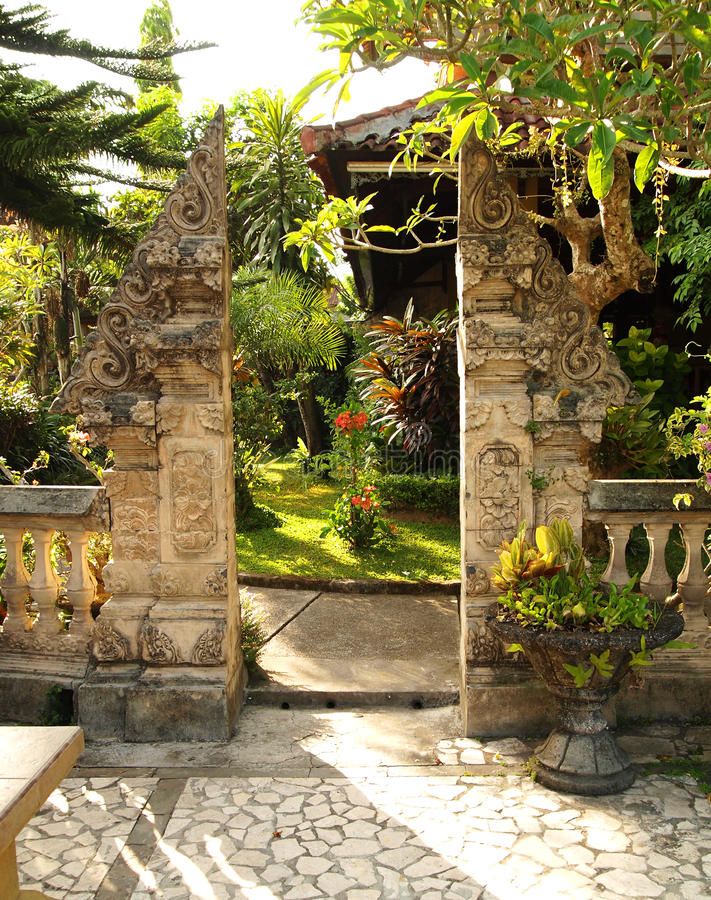
Introducing the Series
This 8-part series was created as an exploration of the many philosophies, frameworks, and wisdom traditions that can help us think about interior design in a deeper way.
Rather than approaching design as something purely visual or trend-based, this series looks at the home through a more holistic lens — one that considers energy, intention, sustainability, beauty, ritual, wellbeing, and our relationship to the natural world.
Throughout the series, we’ll explore ideas inspired by practices such as feng shui, vastu, wabi-sabi, and other ways of understanding space as something alive and relational.
These are not presented as rigid rules or formulas. They are invitations.
Invitations to ask better questions about the spaces we create. To notice how a room makes us feel. To honor natural materials, handmade objects, and the wisdom of the earth. To create homes that support not only function and beauty, but also presence, care, and connection.
At its heart, Designing in Reverence is about expanding the way we see interior design.
It asks us to move beyond aesthetics alone and into a more conscious, meaningful relationship with our homes — one where beauty is not just something we look at, but something we live in relationship with.
Welcome to the Designing in Reverence series.


